
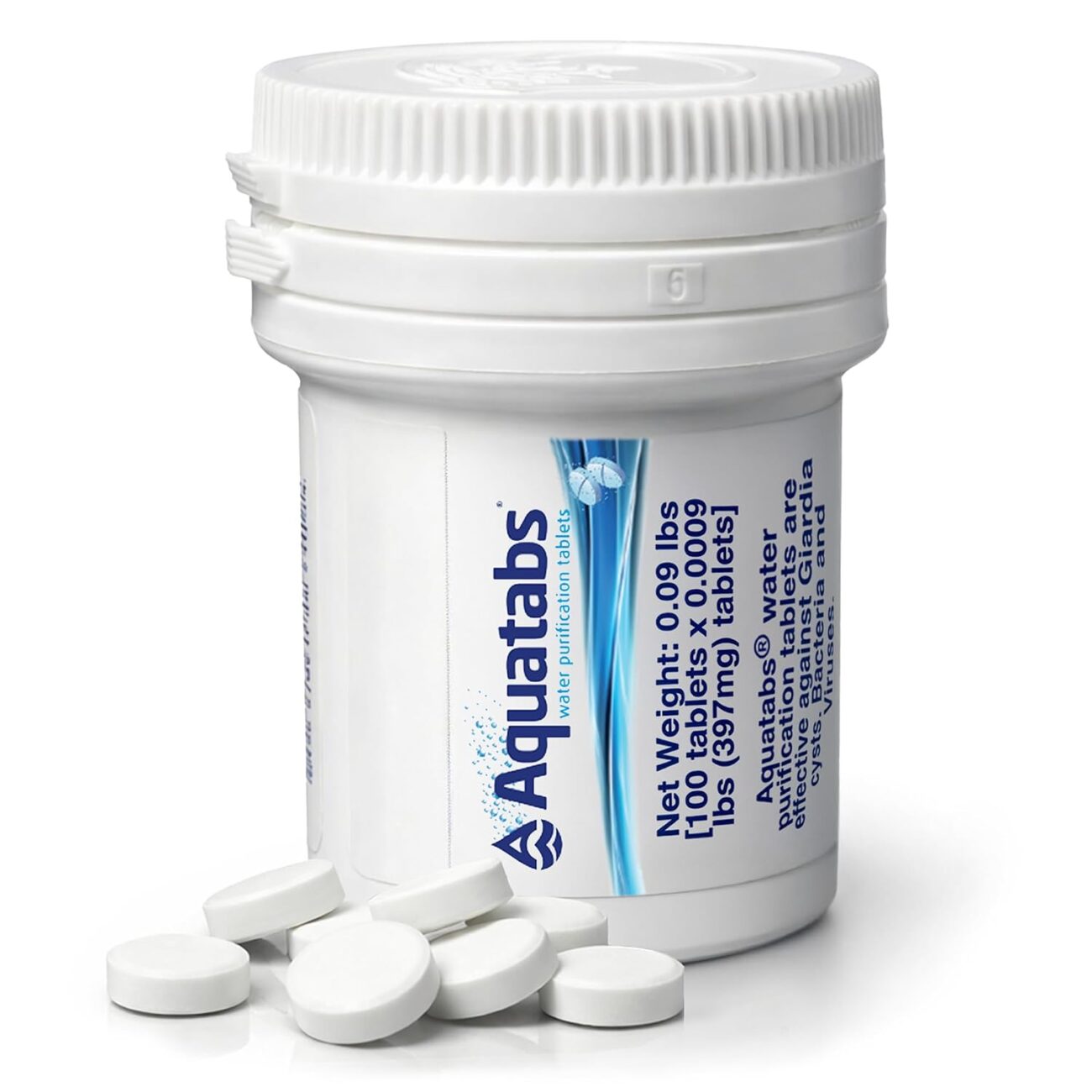
Aquatabs Water Purification Tablets, 397mg 100 Pack, Camping & Emergency – A Detailed Review
Introduction
When planning outdoor adventures or preparing for unexpected emergencies, access to clean drinking water is a top priority. Water purification tablets are a widely used solution that offers a lightweight, portable, and relatively inexpensive method to treat contaminated water. The product under review, titled Aquatabs Water Purification Tablets, 397mg 100 Pack, Camping & Emergency, is marketed specifically for these scenarios. The name itself provides a few concrete details: each tablet is listed as containing 397 milligrams of active substance, the package includes 100 tablets, and the intended use is for camping and emergency situations. Beyond these facts, the available information does not confirm additional specifications such as the active ingredient, shelf life, storage requirements, or dosage instructions. This review will therefore focus on the implications of the information that is available, outline potential practical benefits, highlight limitations and unknowns, and provide cautious buying considerations for consumers who may be interested in this product.
Features (as Explicitly Stated)
- Active Substance per Tablet: 397 milligrams (exact compound not specified)
- Package Size: 100 tablets
- Intended Use: Camping and emergency situations
Potential Practical Benefits
Water purification tablets are valued for several practical advantages that are generally applicable to most products in this category. First, the compactness and light weight of individual tablets make them easy to carry in a backpack, emergency kit, or vehicle. Second, the ease of use—typically involving dissolving a tablet in a specified volume of water—offers a quick solution when conventional filtration is unavailable. Third, the long shelf life of many tablet formulations allows for storage over extended periods, which is particularly useful for emergency preparedness. Finally, the cost-effectiveness of a 100‑tablet pack can provide a high quantity of treatment units for a relatively modest investment. While the specific product under review does not disclose its active ingredient or exact dosage instructions, these general benefits are likely to apply, given the common design of water purification tablets marketed for camping and emergency use.
Limitations and Unknowns
Because the product description is limited, several key details remain uncertain. The active ingredient is not disclosed, leaving ambiguity about whether the tablets contain iodine, chlorine dioxide, or another disinfectant. Without this information, it is impossible to assess efficacy against specific pathogens, such as bacterial, viral, or protozoal contaminants. The shelf life and storage conditions are also unknown; these factors can significantly influence the reliability of the tablets over time. Additionally, the dosage instructions—including the recommended amount of water per tablet and the required contact time—are not provided, which could affect both safety and effectiveness. Finally, there is no information regarding regulatory approvals or certifications that would confirm compliance with health and safety standards. These gaps underscore the importance of exercising caution when considering this product for critical water treatment needs.
Suitable Use Cases (Conditionally Recommended)
Given the product’s stated purpose for camping and emergency situations, it is reasonable to infer that it is intended for scenarios where clean water is not readily available. Potential use cases include:
- Backpacking and hiking trips where natural water sources may be contaminated.
- Disaster preparedness kits for households or organizations anticipating power outages or infrastructure disruptions.
- Travel to remote or rural areas with limited access to treated water.
- Emergency response teams that require a portable water treatment solution.
Because the specific dosage and efficacy data are not confirmed, users should verify that the product meets the requirements of their particular situation before relying on it as the sole method of water purification.
Buying Considerations
When evaluating this product, consumers should consider the following factors, many of which cannot be confirmed from the available information:
- Ingredient Transparency: Verify whether the active ingredient is listed on the packaging or in accompanying documentation.
- Expiration Date: Check for a clear expiration date; water purification tablets can lose potency over time.
- Storage Instructions: Confirm whether the product requires refrigeration, protection from light, or a dry environment.
- Dosage Guidance: Ensure that clear instructions are provided for the amount of water per tablet and required contact time.
- Regulatory Compliance: Look for certifications or approvals from relevant health authorities (e.g., EPA, WHO).
- Packaging Integrity: Assess whether the packaging protects the tablets from moisture and physical damage.
- Customer Feedback: While not part of the product description, reviews can provide insights into real-world performance and potential issues.
Safety and Health Considerations
Water purification tablets, depending on their active ingredient, can pose health risks if misused. Potential concerns include:
- Overexposure: Excessive consumption of iodine‑based tablets can lead to thyroid irritation or other health problems.
- Residual Taste or Odor: Some disinfectants may leave an aftertaste or odor that could affect palatability.
- Allergic Reactions: Individuals with sensitivities to certain chemicals may experience adverse reactions.
- Interaction with Other Medications: Certain disinfectants can interact with prescription drugs or supplements.
Because the specific active compound is not disclosed, it is difficult to assess the severity of these risks for this particular product. Users should consult healthcare professionals if they have preexisting conditions or concerns about potential side effects.
Environmental Impact
Water purification tablets typically come in small, sealed containers that are relatively lightweight, which reduces the environmental footprint during transport. However, the environmental impact can vary based on the chemical composition of the tablets and the disposal method of the packaging. Key points to consider include:
- Biodegradability: Some disinfectants break down more readily in the environment than others.
- Packaging Materials: Plastic or foil packaging may contribute to waste if not recycled.
- Residual Chemicals: Improper disposal of tablets or packaging could release chemicals into local ecosystems.
Consumers concerned with environmental sustainability should seek products that use biodegradable ingredients and recyclable packaging, though such details are not available for the product under review.
Comparison to Other Products (General Context)
While direct comparisons cannot be made without additional data, it is useful to understand the broader landscape of water purification tablets. Common categories include iodine tablets, chlorine dioxide tablets, and sodium hypochlorite tablets. Each type has distinct advantages and limitations regarding efficacy, taste, storage stability, and safety. For instance, iodine tablets are inexpensive and effective against bacteria and protozoa but can leave a noticeable taste and may not be suitable for long‑term consumption. Chlorine dioxide tablets often provide a more neutral taste and are effective against a wide range of pathogens, but they may require longer contact times. Sodium hypochlorite tablets are typically used for large volumes of water and may have a shorter shelf life. Consumers should evaluate the specific needs of their use case—such as the type of water contamination, volume of water to treat, and duration of storage—to determine which category best aligns with their requirements.
Key Takeaways
Based on the information explicitly available, the following points summarize the product’s profile:
- The tablets are marketed at 397 mg per unit, with a 100‑tablet pack.
- Intended for camping and emergency use, implying portability and convenience.
- Critical details such as active ingredient, dosage instructions, shelf life, and regulatory approvals are not disclosed.
- Potential benefits include lightweight design, ease of use, and cost‑effectiveness.
- Unknowns introduce uncertainty regarding efficacy, safety, and suitability for specific situations.
Conclusion
In the absence of detailed specifications, consumers should approach the Aquatabs Water Purification Tablets with caution. The product’s advertised features—397 mg tablets, 100‑pack quantity, and suitability for camping and emergency scenarios—suggest a product designed for portable water treatment. However, the lack of disclosed active ingredients, dosage guidelines, shelf life, and regulatory compliance information means that buyers cannot fully assess the product’s safety, effectiveness, or suitability for their particular needs. Prior to relying on these tablets for critical water purification, it is advisable to verify the missing details through the manufacturer’s documentation, seek independent testing results, and consider alternative products with transparent specifications. Ultimately, while the product may offer convenience for outdoor and emergency use, informed purchasing decisions require a thorough understanding of the product’s composition and performance characteristics, which are currently unavailable from the supplied information.